
Turn operational data into decisions you can act on.
Modern fulfillment generates massive amounts of data. The real challenge is not collecting it - but turning it into clear, reliable insights that help operations teams understand what’s going on, identify issues early, and make better decisions every day.
everstox reporting and analytics give you a complete, real-time view of your fulfillment performance across warehouses, carriers, channels, and markets - all in one place.
200+ eCommerce logistics experts and operations teams grow with everstox:



















Why reporting deserves more
than spreadsheets.
When fulfillment operations scale, manual exports and disconnected dashboards stop working. Delays go unnoticed, costs creep up silently, and teams spend more time explaining issues than fixing them.
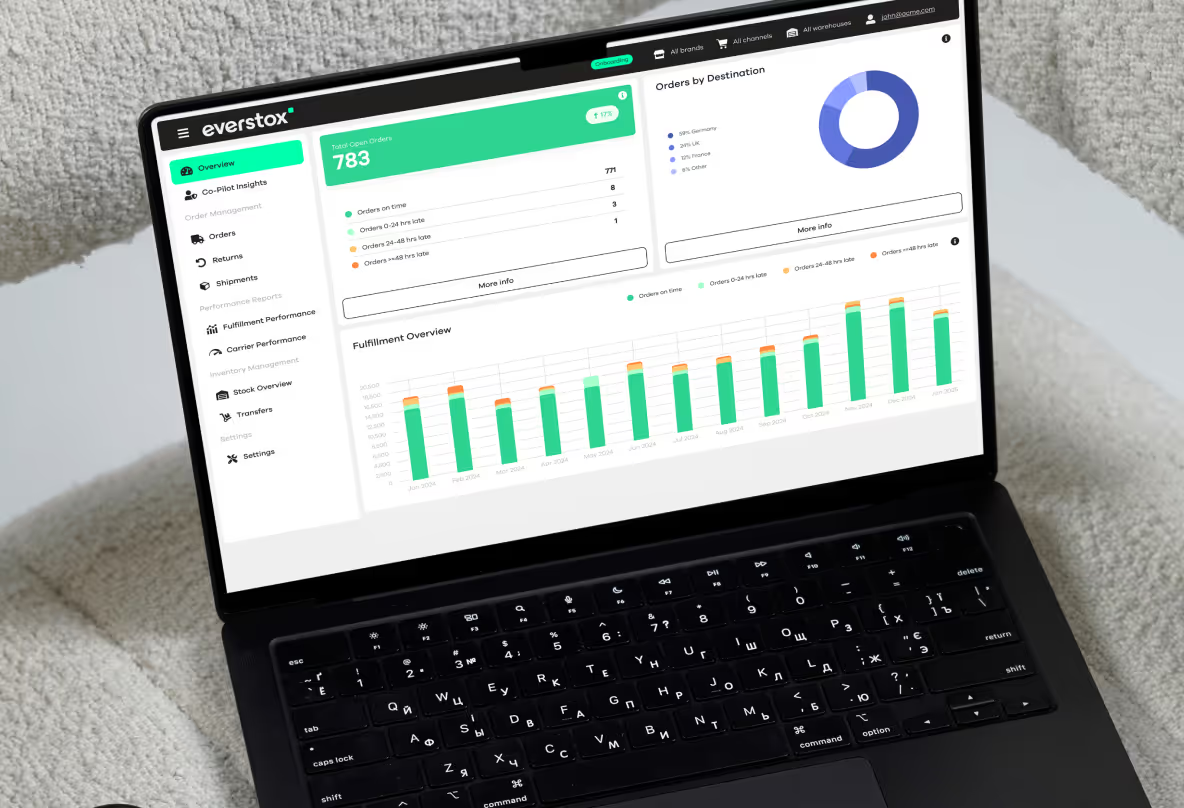
With the everstox dashboard, reporting is not an afterthought. It is built directly into the operational platform, so insights always reflect what is actually happening on the warehouse floor and across your shipping network.
One reporting layer across your
entire fulfillment setup.
All reports are generated from a single, unified data layer that connects inventory, orders, shipments, carriers, and warehouses. Instead of pulling numbers from different systems and reconciling them manually, teams work with one consistent set of metrics across all locations and processes.
This creates a reliable source of truth for fulfillment performance, ensures comparable reporting across teams and markets, and removes the friction caused by conflicting data or outdated exports. Decisions are based on what is actually happening in operations, not on assumptions or delayed snapshots.
Our shipping partners













Fulfillment reports.
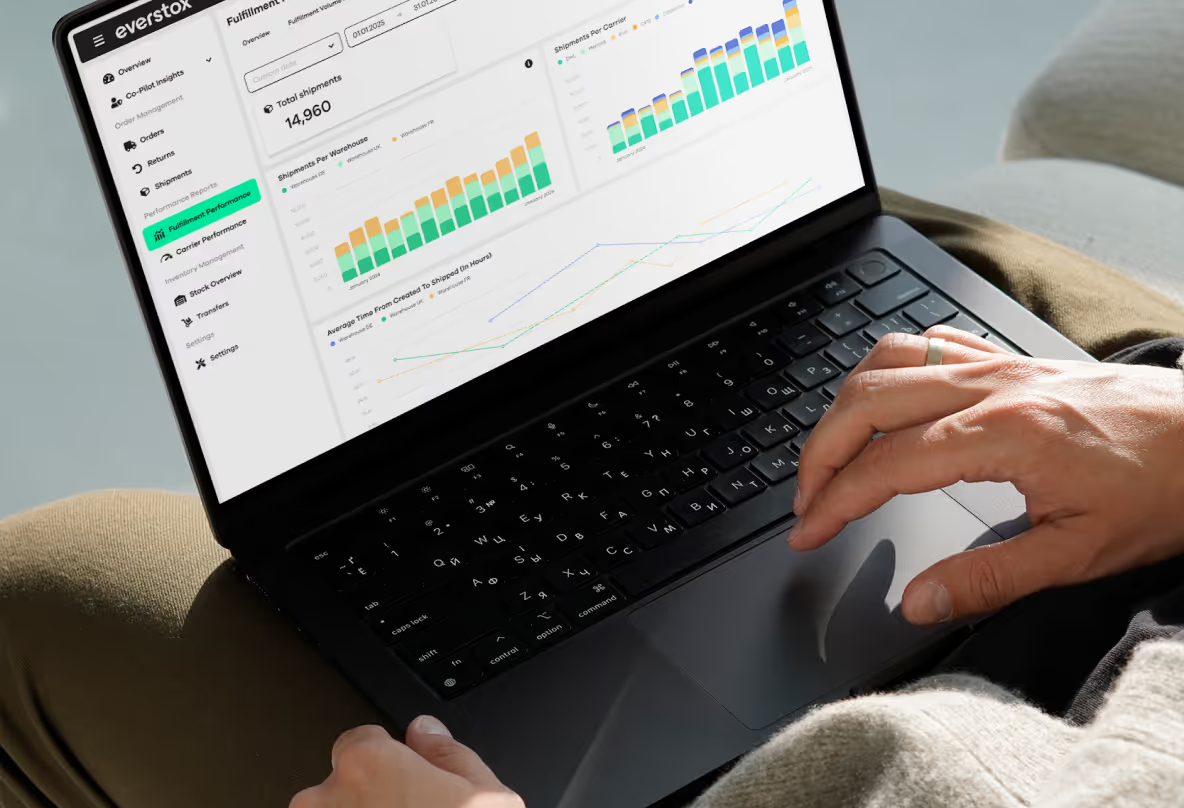
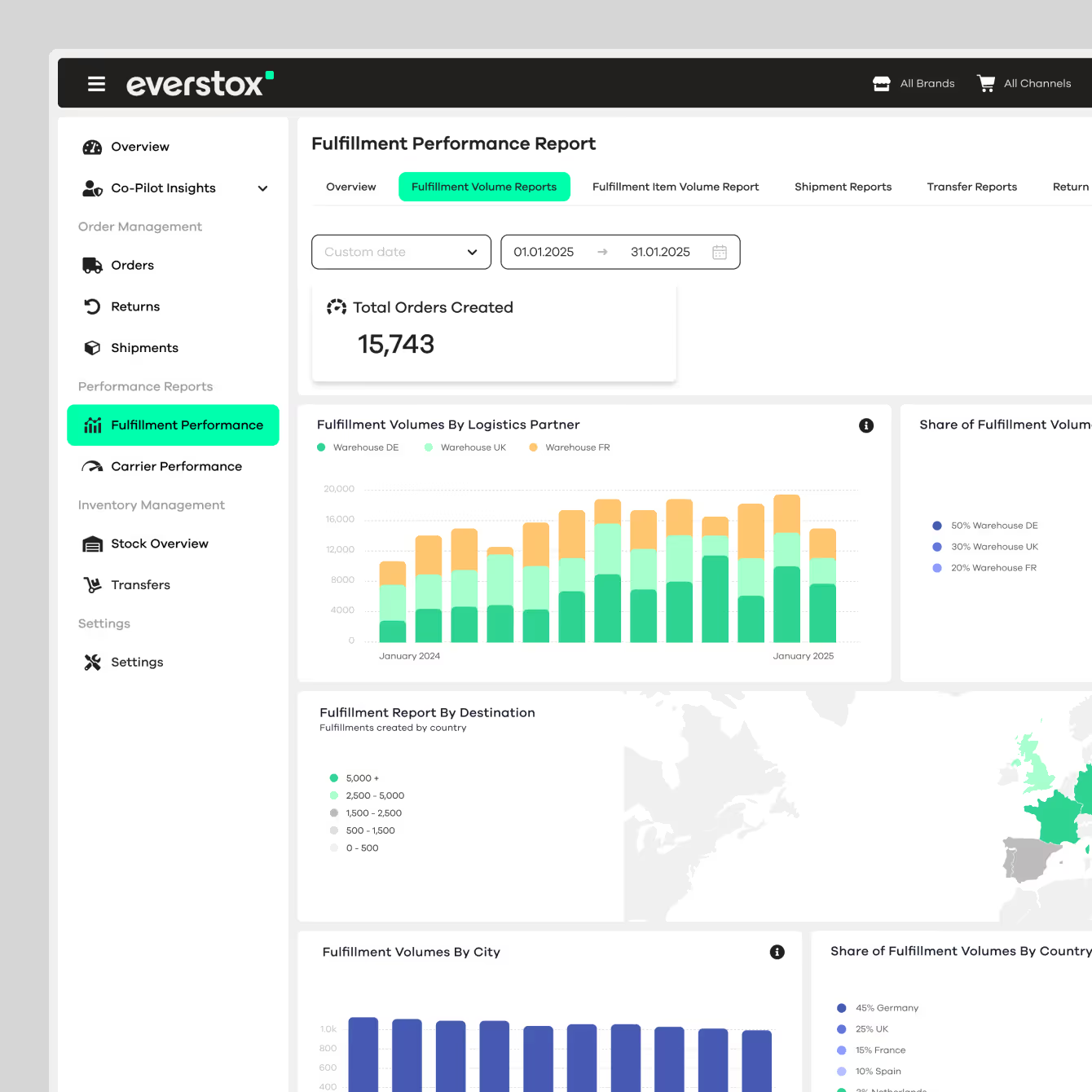
Get a detailed view of how orders move through your fulfillment network - from processing to delivery.
Fulfillment reports help you:
Monitor total order and shipment volumes
Analyze fulfillment performance by warehouse
Identify bottlenecks in picking, packing, or shipping
Track delivery lead times across regions and channels
These insights allow operations teams to spot inefficiencies early and take action before issues affect customers.
Carrier performance &
shipping analytics.
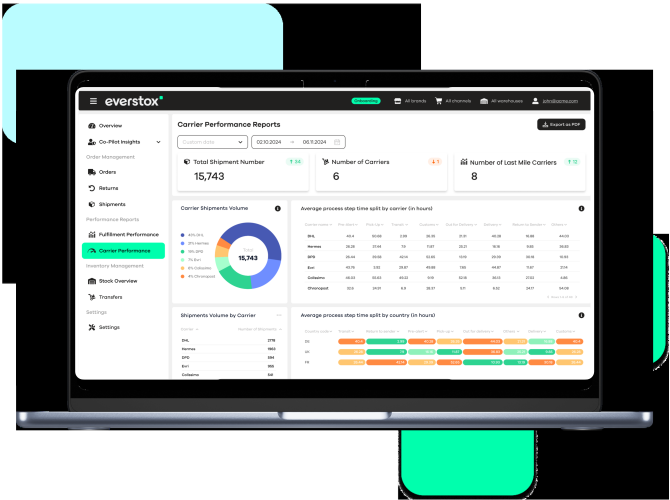
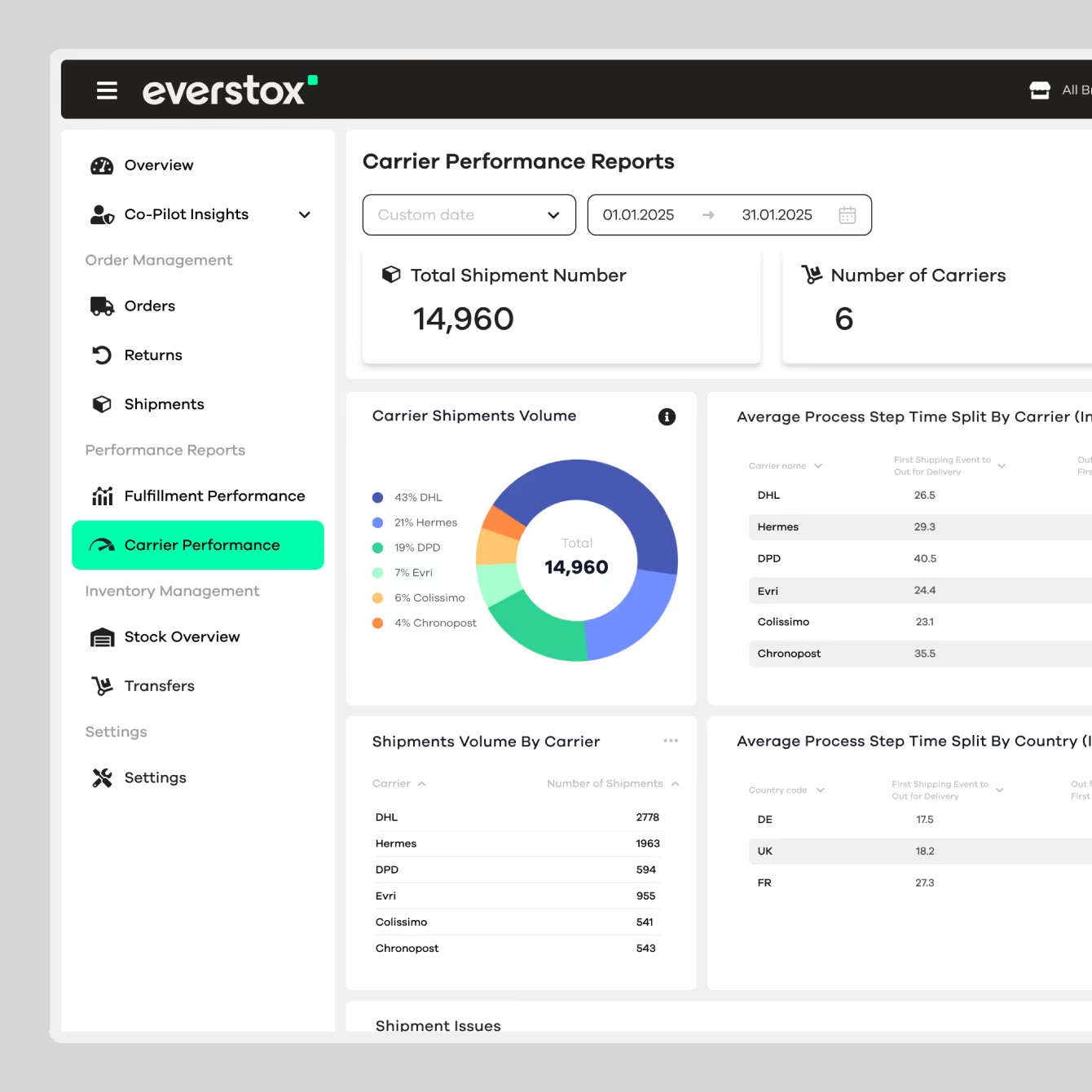
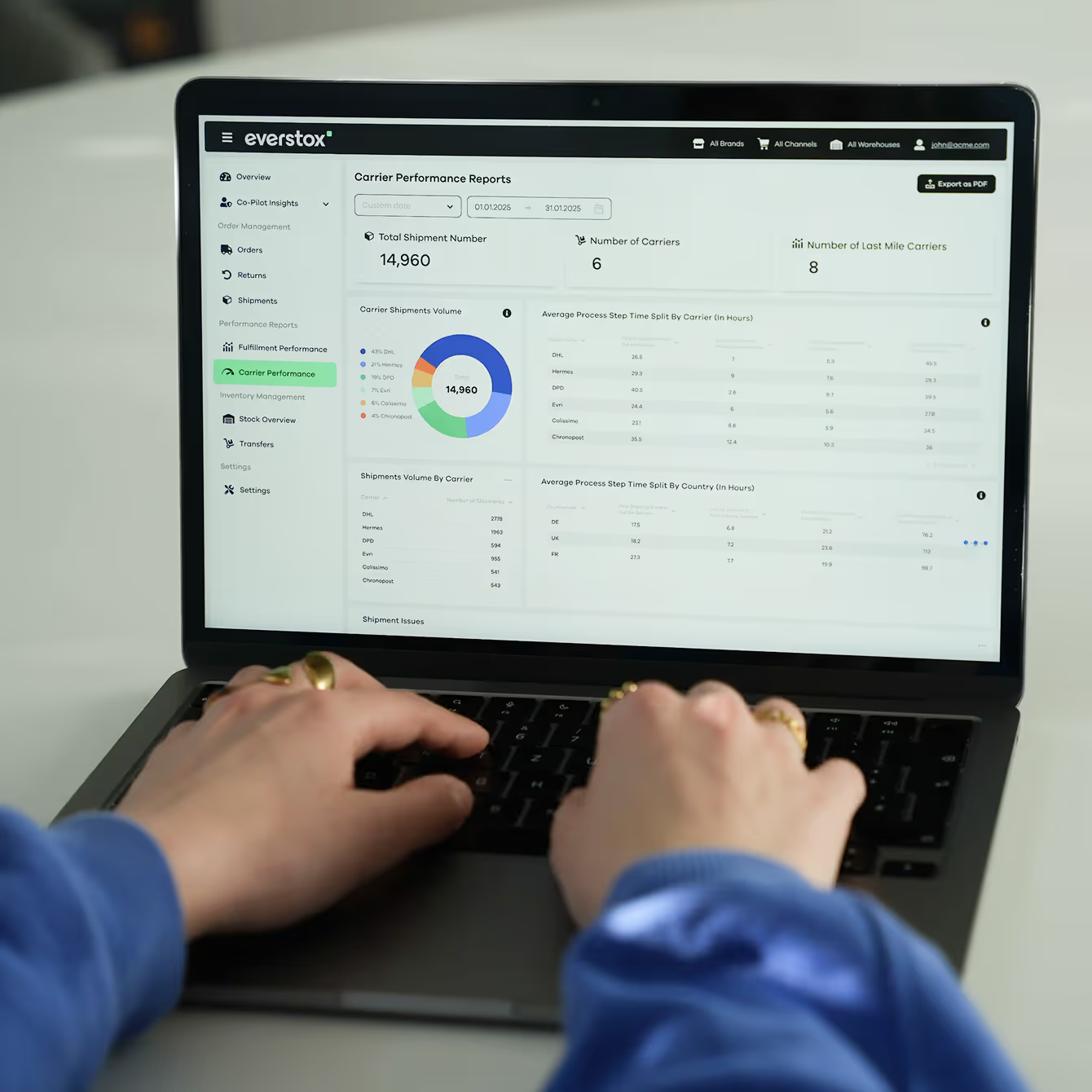
Shipping performance has a direct impact on cost, delivery speed, and customer satisfaction. everstox carrier reports make carrier reliability fully transparent.
With carrier analytics, you can:
Compare delivery times across carriers and regions
Identify recurring delays and service issues
Analyze shipment volumes per carrier
Uncover cost optimization opportunities
This enables data-driven carrier selection and continuous optimization of your shipping setup.
Item, bundle & SKU
performance insights.
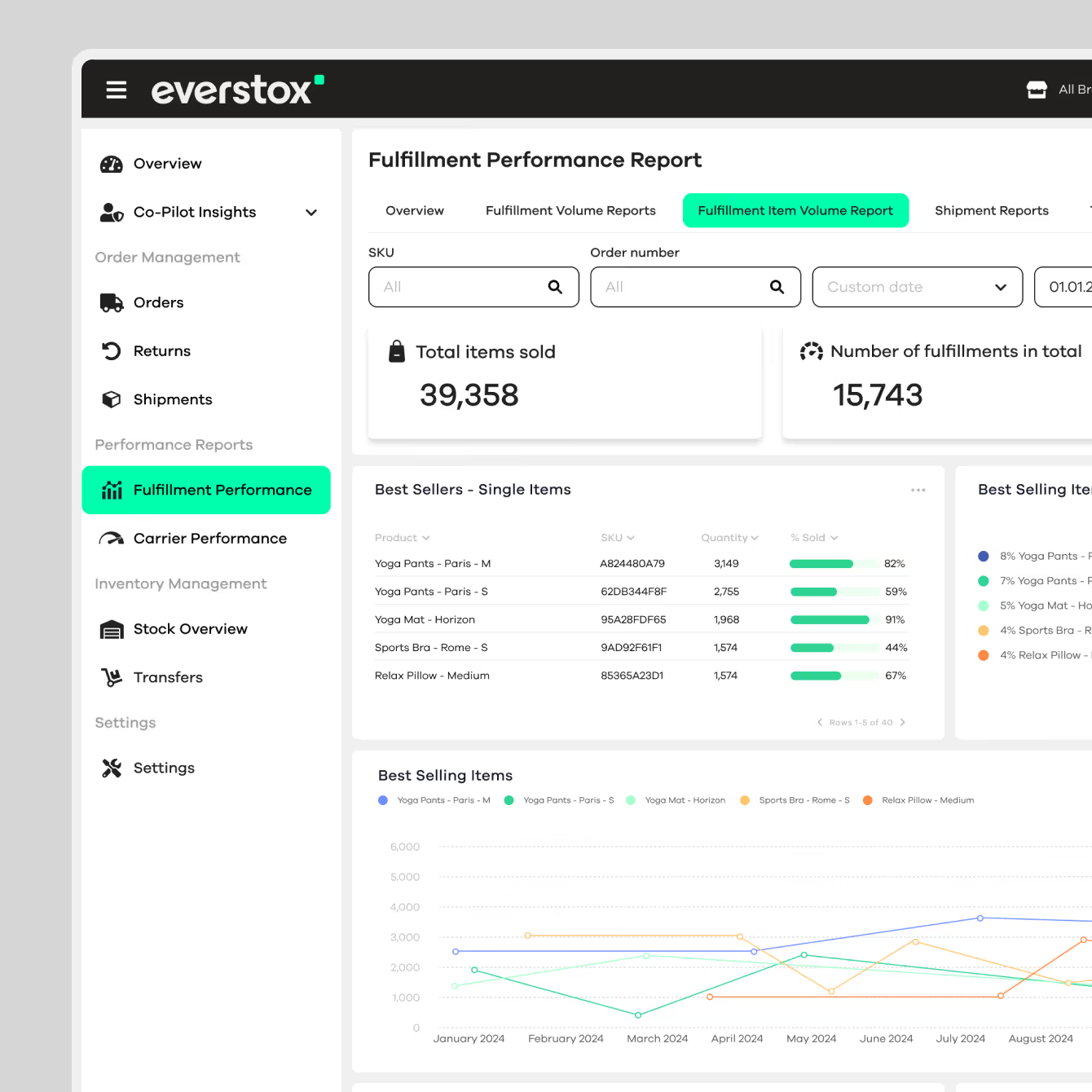
Understand how individual products and bundles perform across your fulfillment network.
Reporting at item level allows you to:
Identify bestsellers and slow-moving SKUs
Analyze bundle performance and combinations
Track sales and shipment trends over time
Support inventory planning and replenishment decisions
These insights connect commercial performance directly with operational execution.
Inventory & stock reporting.
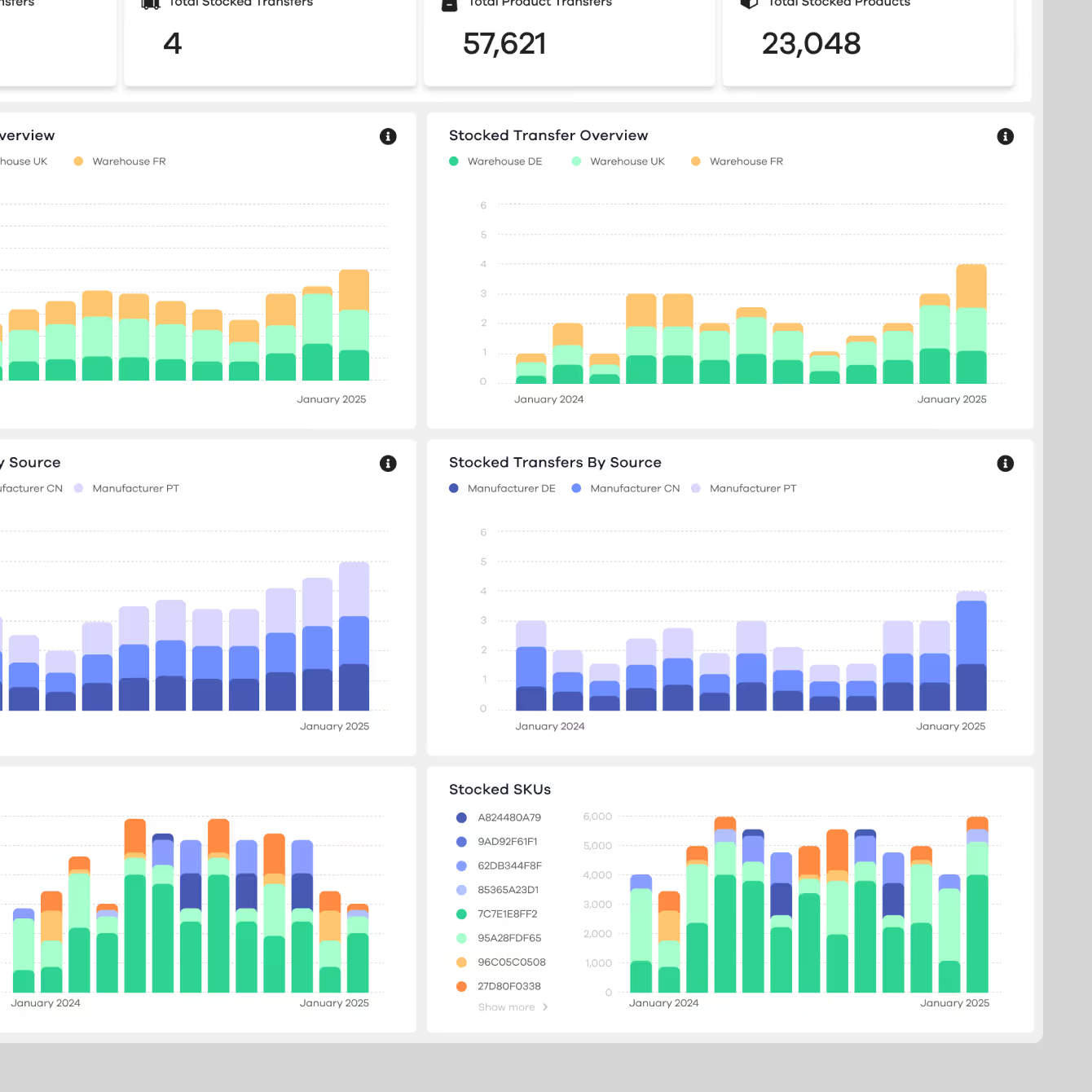
Maintain full visibility over inventory levels across all warehouses and locations.
Stock reports provide:
Real-time inventory levels per warehouse
Reserved, available, and physical stock views
Batch and lot-based reporting where required
Historical inventory movement insights
This helps prevent stockouts, reduce overstocking, and support more accurate forecasting.
Exception & issue visibility.
Not every problem shows up in a KPI dashboard. everstox reporting highlights exceptions that require attention.
Operations teams can:
Identify delayed or stuck orders
Monitor shipment issues and delivery exceptions
Track deviations from expected lead times
Prioritize operational issues based on impact
This shifts reporting from passive monitoring to proactive issue management.
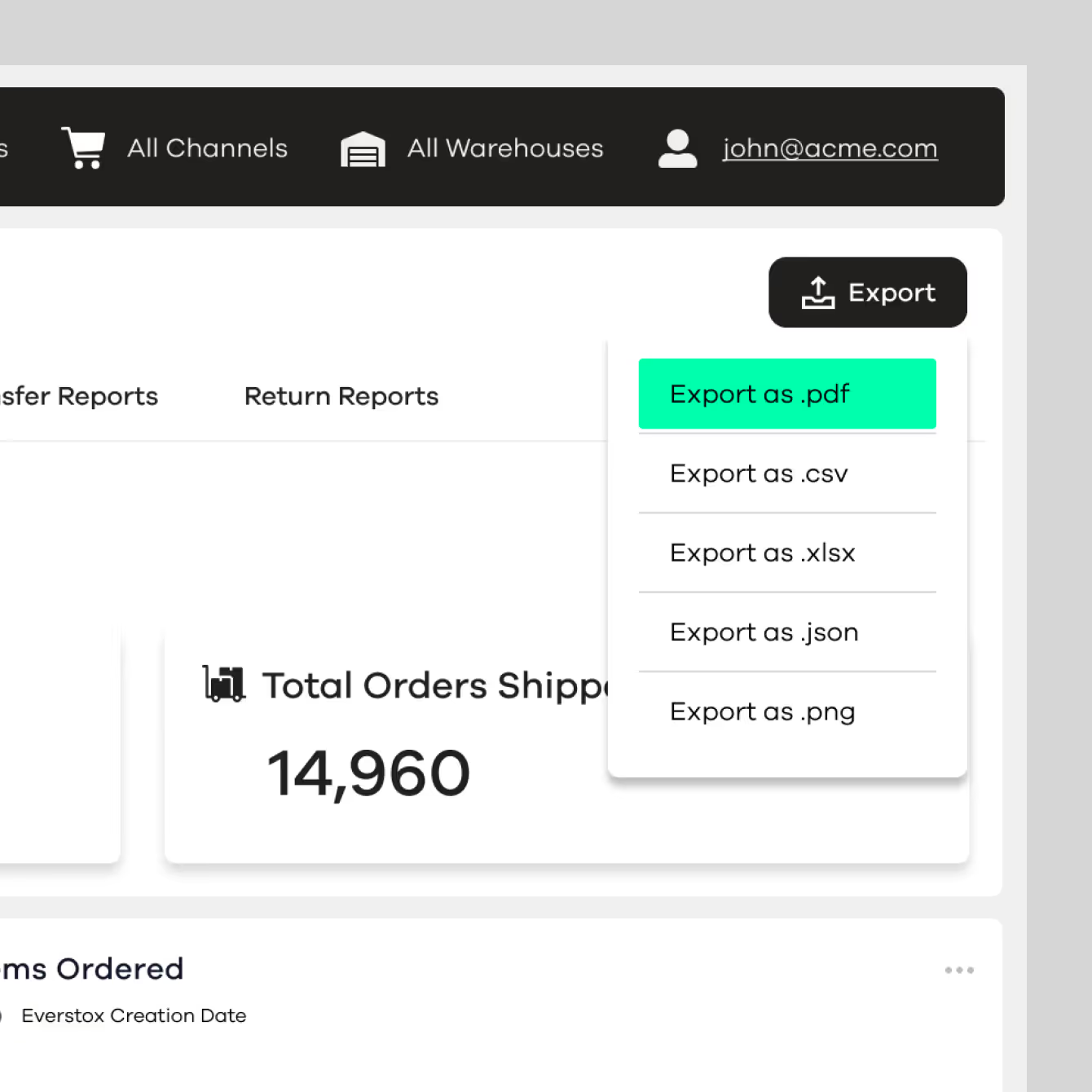
Data exports & API access.
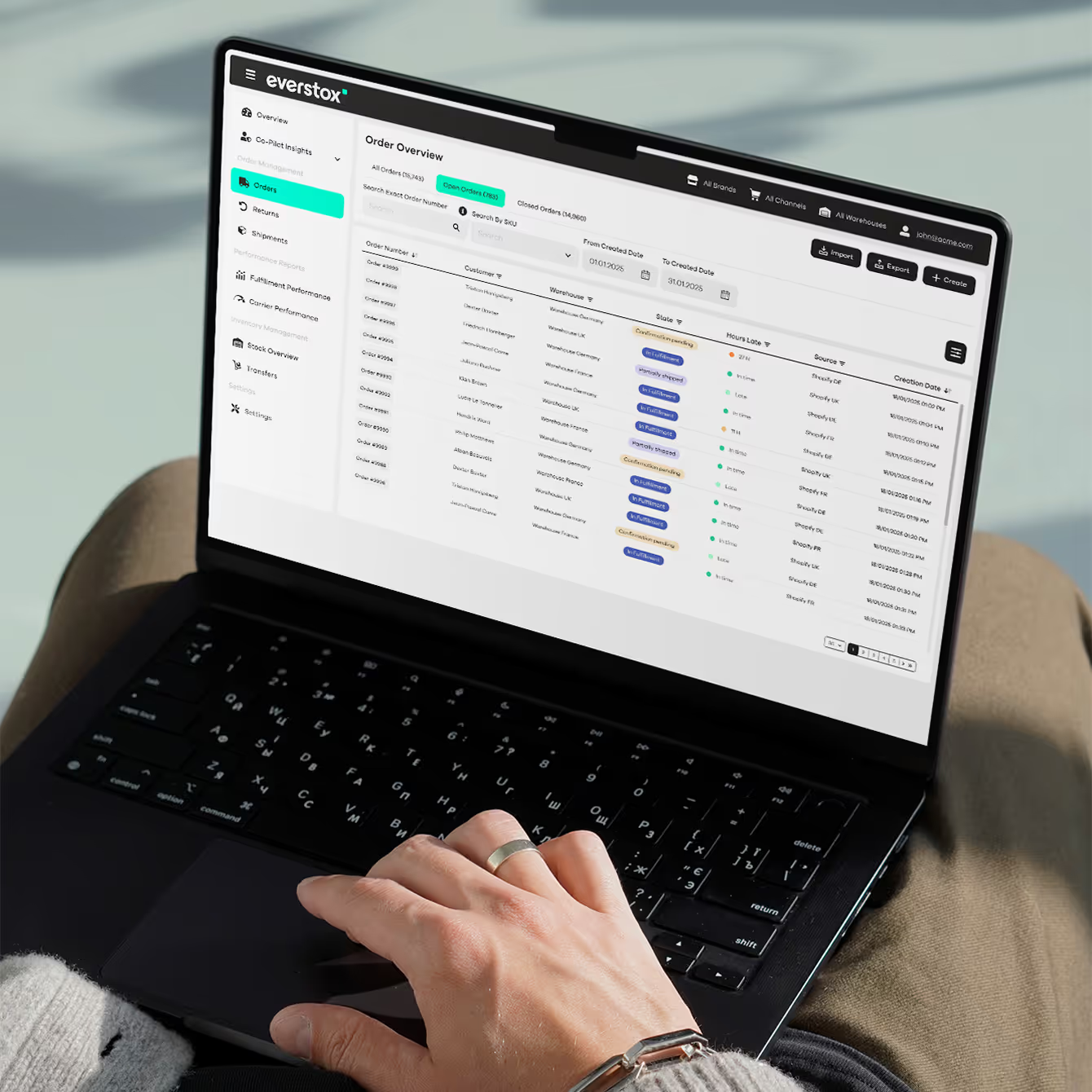
All reporting data is available for export and integration into your existing analytics or BI tools.
You can:
Export reports for internal stakeholders
Build custom dashboards using the API
Integrate fulfillment data into finance or planning workflows
Automate recurring data extraction
This ensures reporting fits into your existing decision-making processes without additional manual effort.
Built for operations teams under
real-world pressure.
Reporting in our dashboard is designed for people who run fulfillment operations day to day, not for analysts building dashboards in isolation. Insights are presented in a way that makes it easy to understand what is happening, where issues occur, and which areas need attention first.
Instead of spending time assembling data, teams can focus on resolving problems, optimizing workflows, and improving performance across warehouses and carriers. Reporting becomes a practical tool for action, not another layer of complexity.
Get a clear view of your fulfillment performance.
See how everstox reporting and analytics help you understand what’s happening across your fulfillment operations - and where to act next.
Frequently asked questions about our reporting software.
How does reporting help teams move from monitoring to proactive issue management?
What kind of insights can operations teams gain from fulfillment and carrier reports?
How does everstox ensure reliable and consistent fulfillment reporting?
Why is built-in reporting important for scaling eCommerce fulfillment?